Give us a call or provide your contact details below, and a Dentsply Sirona representative will be in touch soon.
The latest in digital dentistry
Blog Post
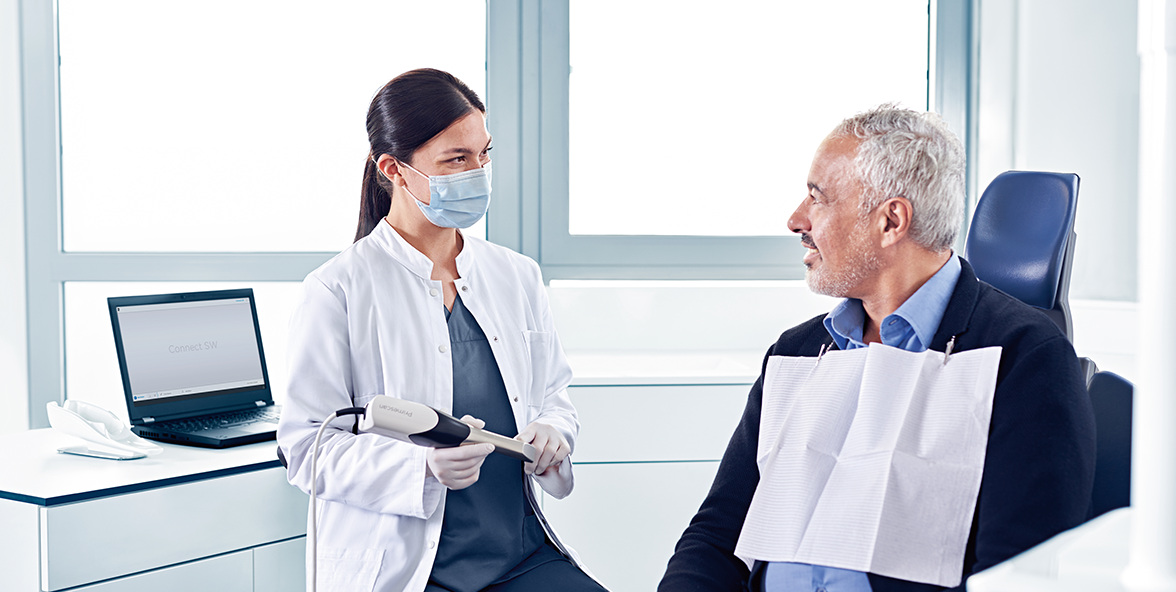
Why invest in an intraoral scanner for your dental practice?
For most dentists, alginate impression techniques and the materials used have remained unchanged throughout their careers. One of the biggest disadvantages of this method is that the information transfer of traditional impressions can be distorted during the production process which results in less accuracy when fitting dental appliances, implants and restorations. These also require more time and materials to fix. Adopting digital workflows in your dental practice can help improving efficiency and reducing the risk of errors.
Blog Post
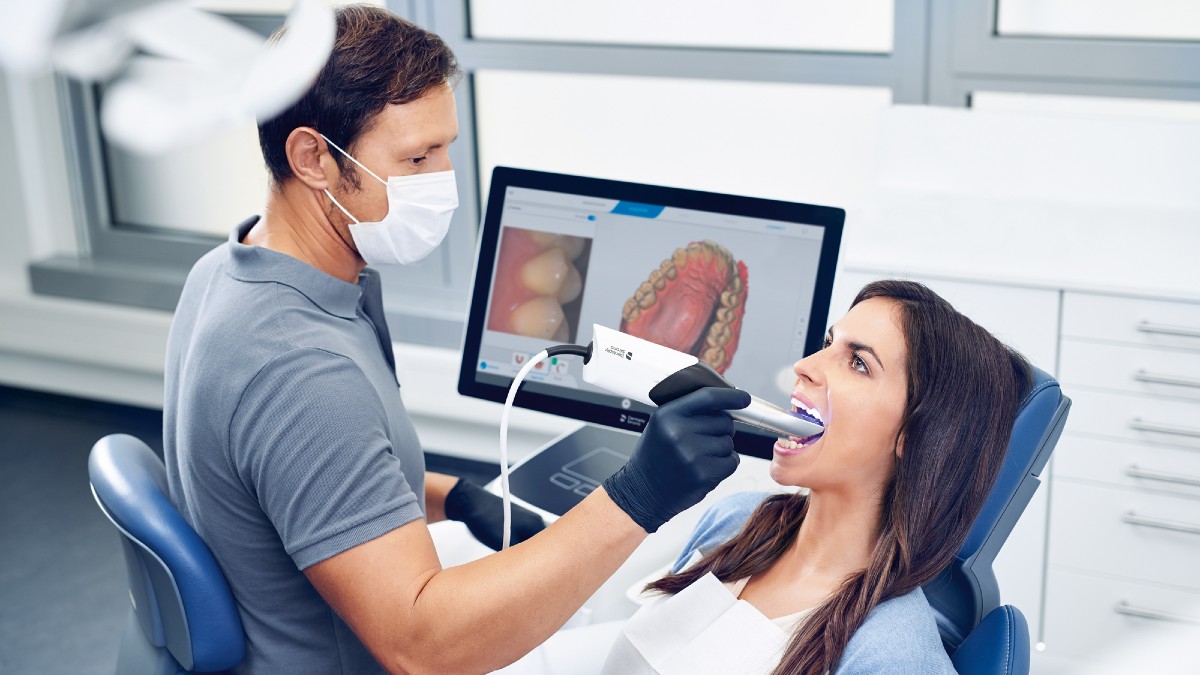
How to choose the right intraoral scanner for your dental practice
As technology develops, more and more industries are implementing digital solutions. And dentistry is no exception. The development of new digital devices and software is helping to redefine dentistry. These changes enhance the productivity of dentists and provide a better experience for patients too.
Blog Post
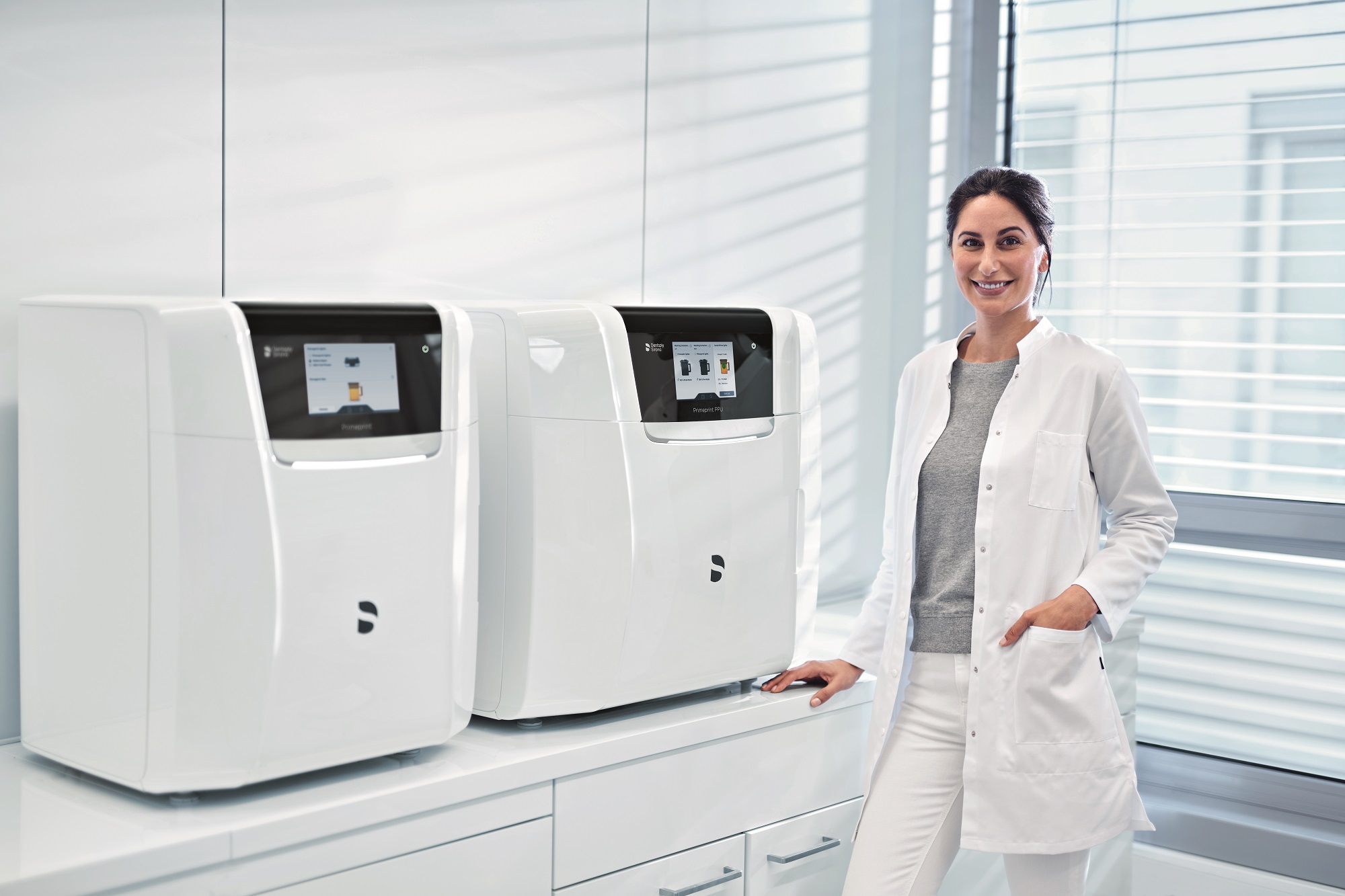
Changing your dental practice with 3D printing
3D printing is a technology that is commonly used in aerospace, automotive, defense, art and design, and surgery. This technology has been used in dentistry for several years with varying degrees of success. However, recent developments in technology are allowing more dentists to implement digital workflows and tools such as intraoral scanners and 3D printers.
Blog Post
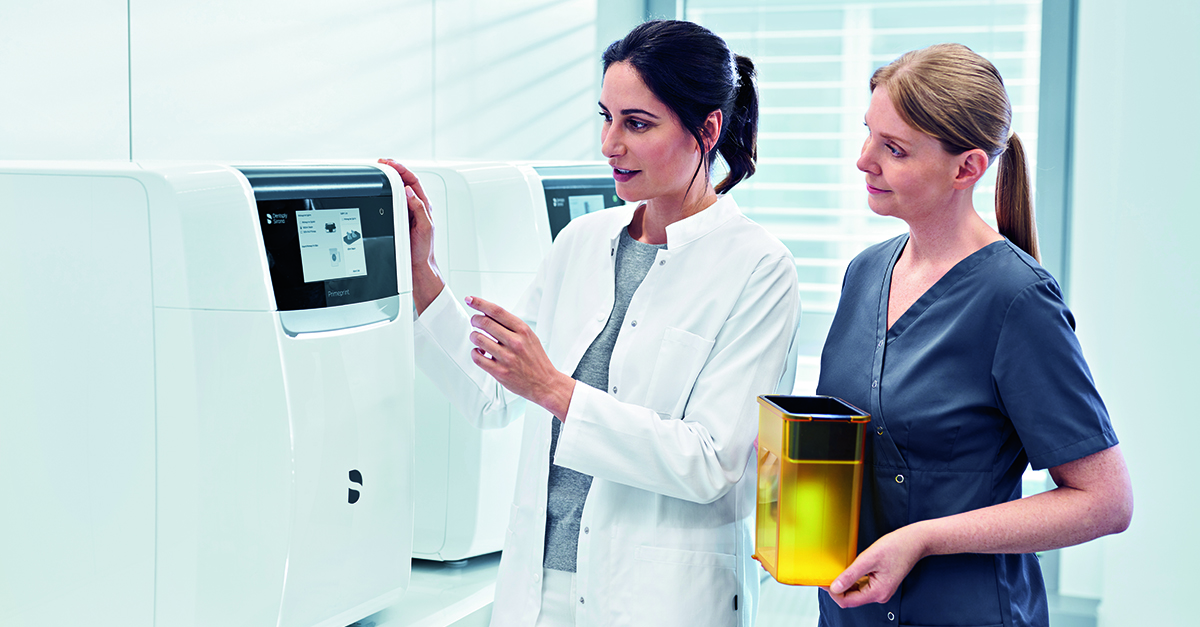
Thinking about getting a 3D printer? 6 benefits driving 3D printer adoption in dentistry
3D printing is now being used across a wide range of industries for a variety of applications. More recently, the medical and dental fields have seen huge advances in technology. In dentistry, 3D printers and other tools such as intraoral scanners are allowing dentists to adopt digital workflows which make practices more efficient and improve patient treatment outcomes.


